

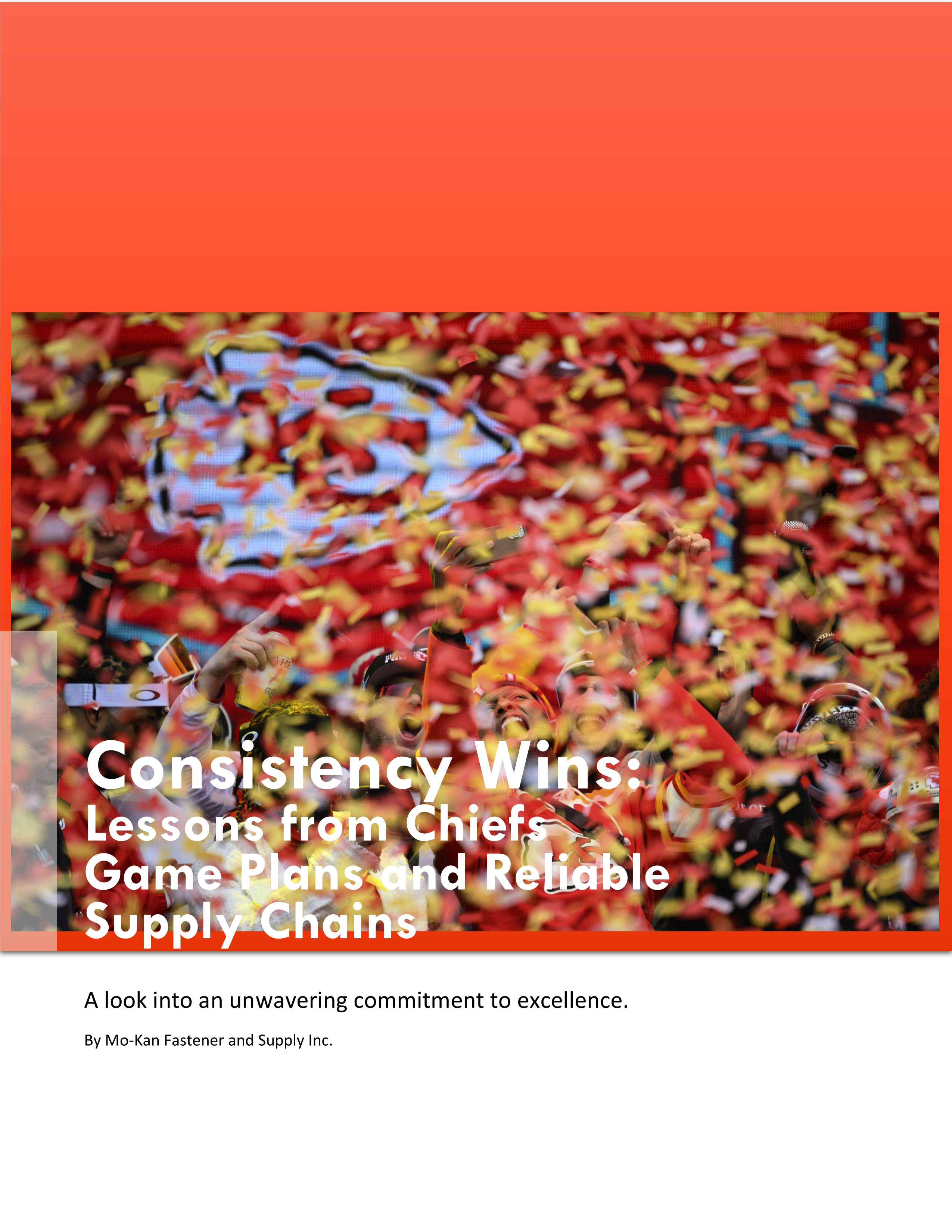
Consistency Wins
Consistency is often the difference between average and great. Whether on the football field or in business, consistent effort leads to reliable results. The Kansas City Chiefs are a perfect example of how sticking to a winning formula can lead to success. Their game plans offer valuable lessons, not just for sports fans but for anyone operating a business. Like the Chiefs, supply chains also depend on reliability and trust to perform well under pressure. Let’s dive into how these two worlds connect and what we can learn by comparing them.
What Makes the Kansas City Chiefs a Model of Consistency?
The Chiefs didn’t become one of the most successful football teams by accident. Over time, they’ve built a system that values preparation, execution, and trust. Their approach shows a consistency that many organizations can emulate. But what exactly makes them stand out?
The Role of Strategic Planning
While flashy plays grab headlines, the Chiefs know the value of solid fundamentals. Their success starts with a playbook built on tactics that work time and time again. They don’t chase trends or get distracted by unnecessary risks. Instead, they rely on strategies that emphasize precision and adaptability. This disciplined approach allows them to stay prepared, regardless of the opponent.
This same principle applies to supply chains. A business with a well-thought-out plan can weather disruptions far better than one that improvises under pressure. Consistency in planning ensures smooth operations, whether you’re delivering packages or stopping touchdowns.
Leadership from Coaches and Players
One of the Chiefs’ greatest strengths is strong leadership. Coach Andy Reid and quarterback Patrick Mahomes set the tone for the team. Reid brings years of experience and always seems to stay calm under pressure. Mahomes inspires confidence, no matter how tough the game gets. Together, they create a culture of accountability and focus.
Strong leadership is just as crucial in business. Companies with reliable leaders tend to have more consistent performance. Good leaders don’t just give orders—they build trust and empower their teams to execute consistently.
Sticking with Proven Tactics Under Pressure
When the game’s on the line, the Chiefs don’t panic. They trust the strategies they’ve practiced and stick to their game plan. This doesn’t mean they’re rigid. They know when to adapt, but they never lose sight of what works. That’s a recipe for success both in sports and in the business world.
Think of a supply chain handling a sudden demand spike. Companies that rely on proven systems and avoid knee-jerk reactions are more likely to maintain quality service. A calm, steady approach under pressure wins every time.
Parallels Between Sports and Supply Chain Management
At first glance, football and supply chain management might seem unrelated. But dig a little deeper, and the connections become clear. Both require a mix of preparation, adaptability, and trust to achieve consistent results.
Building Strong Foundations
A football team is only as good as its playbook, just like a business is only as good as its operational framework. The Chiefs have built their success on a foundation of preparation. Their systems ensure every player knows their role. Similarly, businesses need strong processes to ensure smooth operations. Whether it’s inventory management or customer service, everything starts with a solid foundation.
Adaptability Within a Consistent Structure
While consistency is important, flexibility can’t be ignored. The Chiefs show this by making in-game adjustments without abandoning their overall strategy. Businesses can learn from this. A well-designed supply chain is consistent but can pivot when disruptions happen, like supplier shortages or freight delays. The key is staying adaptable without losing sight of long-term goals.
The Impact of Trust and Reliability
Trust is everything—whether it’s between teammates or business partners. The Chiefs excel because their players trust each other to execute their assignments. That same level of reliability is what makes supply chains successful. When customers trust a company to deliver on time, it strengthens the relationship. Consistency builds trust, and trust builds loyalty.
Lessons Businesses Can Learn from the Chiefs
The Chiefs’ formula for success isn’t just for football. Businesses can apply the same principles to improve operations and build long-term success.
Investing in People and Processes
The Chiefs don’t just rely on star players; they develop talent across the board. Businesses, too, should invest in their workforce. Employee training programs and efficient systems are the backbone of consistent performance. Hiring capable people isn’t enough—you have to empower them with the right tools and guidance.
Creating a Culture of Accountability
When players take responsibility for their roles, it strengthens the whole team. The same goes for businesses. A culture where everyone holds themselves accountable ensures tasks are done right the first time. This leads to fewer mistakes, better quality, and improved customer satisfaction. Accountability is the glue that holds consistency together.
Continual Improvement Through Small, Steady Changes
The Chiefs don’t reinvent their playbook every season—they tweak and refine it. Small adjustments over time lead to better performance without sacrificing what already works. Businesses can adopt this mindset too. Instead of drastic overhauls, focus on incremental improvements. These steady changes add up to big wins over the long haul.
Conclusion
Consistency isn’t flashy, but it gets the job done. Whether it’s the Kansas City Chiefs controlling the field or a supply chain delivering products on time, the principles are the same. Strategic planning, strong leadership, trust, and adaptability all play key roles in achieving reliability.
The lessons are clear. For businesses, investing in people, focusing on accountability, and embracing steady improvements can set you apart. Take a moment to evaluate your own consistency—whether in your work, team, or processes—and ask yourself: are you building a formula for long-term success?